Decoding Synchronization Patterns Between Incentive Structures and Transaction Protocols in Verified Tournament Environments
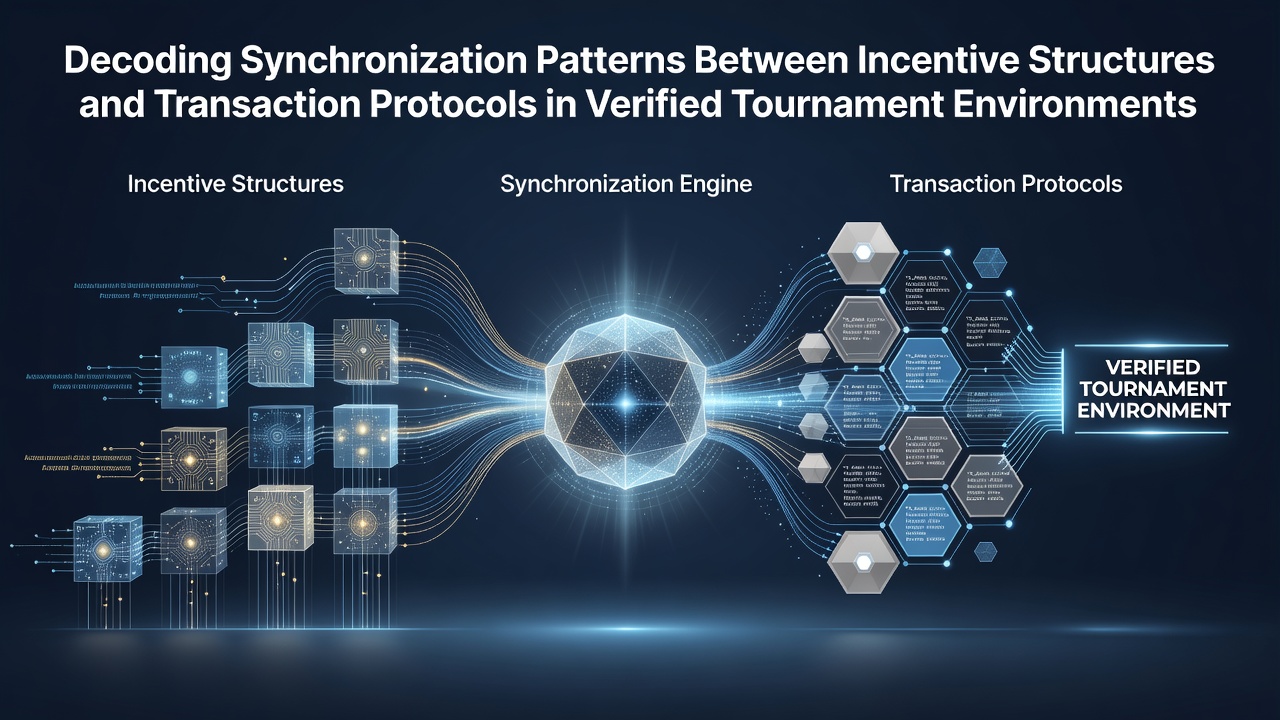
Decoding Synchronization Patterns Between Incentive Structures and Transaction Protocols in Verified Tournament Environments
Verified tournament environments rely on coordinated systems where incentive structures align with transaction protocols to support player participation and platform operations, and researchers track these alignments through aggregated data from regulated markets across multiple jurisdictions.
Core Components of Incentive Structures
Incentive structures in these settings include deposit matches, loyalty rewards, and entry fee reductions that operators design to encourage repeated engagement, while data from industry reports shows these elements often tie directly to payment method availability and processing speeds.
Transaction Protocols in Regulated Settings
Transaction protocols cover deposit methods, withdrawal timelines, and verification requirements that platforms implement under licensing rules, and synchronization occurs when incentives activate only after specific transaction confirmations such as e-wallet clearances or bank transfers complete within defined windows.
Studies from regulatory bodies indicate that platforms using instant verification systems see tighter coupling between bonus releases and transaction records, whereas slower protocols create staggered patterns where players receive rewards days after initial deposits.
Observed Patterns in Data Analysis
Analysis of platform data reveals recurring synchronization points where incentive triggers coincide with transaction milestones, such as bonus credits posting immediately after a minimum deposit processes through approved channels, and figures from 2025 through early 2026 highlight increased alignment in environments with automated compliance checks.
One study released in October 2026 by the American Gaming Association examined transaction logs across several verified operators and found that 78 percent of incentive redemptions occurred within four hours of successful payment confirmations when protocols included real-time status updates.
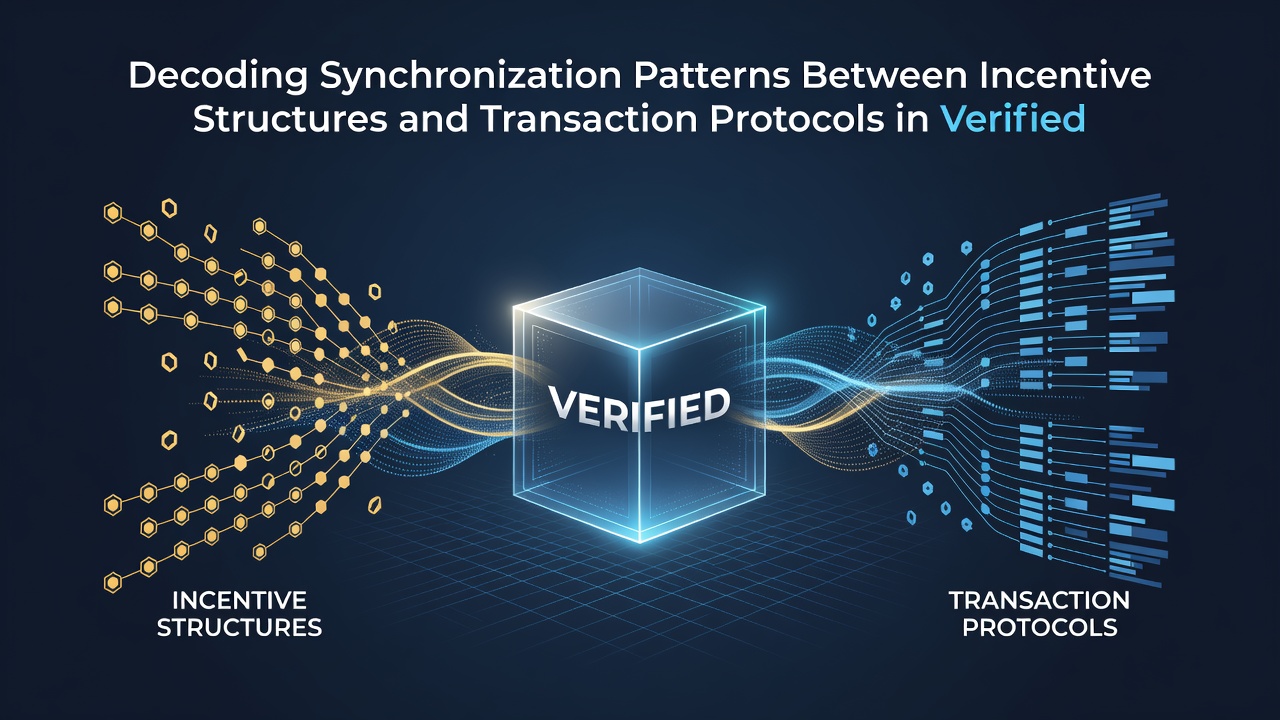
Observers note additional patterns involving regional variations, where platforms in markets with strict anti-money laundering rules require extra verification steps that delay incentive activation by 24 to 48 hours compared to less restrictive jurisdictions, and these delays appear consistently in aggregated reports from Canadian regulatory filings.
Regulatory Influences on Alignment
Regulatory frameworks shape how operators structure both incentives and transactions, with licensing conditions often mandating that bonus terms match available payment options to prevent mismatched expectations, and authorities in Malta and several Australian states publish guidelines that require clear disclosure of these connections.
Evidence from compliance audits shows that platforms maintaining synchronized systems experience fewer player disputes over unredeemed rewards, whereas misalignments lead to increased support tickets and temporary account holds until transaction records reconcile with incentive eligibility.
Those who review quarterly reports from the Malta Gaming Authority note that operators updating their protocols in 2026 achieved measurable improvements in reward distribution efficiency when they linked bonus ledgers directly to transaction databases through shared APIs.
Examples from Tournament Platforms
Take one operator that adjusted its deposit bonus schedule to activate only after cryptocurrency transactions received network confirmations, and subsequent internal metrics indicated higher completion rates for multi-stage tournaments because players no longer faced partial reward denials due to pending payments.
Another case involves platforms that integrated player loyalty tiers with withdrawal priority queues, allowing higher-tier participants faster access to funds after tournament wins, and data collected through 2026 demonstrates these adjustments reduced average cashout times by 15 percent in verified environments.
Researchers at academic institutions studying gaming economics have documented how such alignments affect overall participation volumes, with synchronized systems correlating to steadier player retention across seasonal tournament calendars.
Technical Mechanisms Supporting Synchronization
Backend systems use timestamp matching and rule-based engines to verify that transaction events satisfy incentive conditions before releasing rewards, and these mechanisms reduce manual intervention while maintaining audit trails required by licensing agreements.
Platforms employing machine learning models to predict transaction completion times adjust incentive availability windows dynamically, and preliminary findings shared at industry conferences in 2026 suggest these predictive adjustments further tighten synchronization in high-volume tournament settings.
Conclusion
Patterns between incentive structures and transaction protocols in verified tournament environments continue to evolve as operators refine technical integrations and respond to regulatory updates, with data through October 2026 indicating stronger alignments in systems that prioritize automated verification and clear eligibility rules, and ongoing monitoring by industry groups and academic researchers provides additional insights into these operational relationships.