Navigating How Diverse Promotional Incentives Align with Transaction Protocols and Aggregated Player Insights in Verified Venues

Navigating How Diverse Promotional Incentives Align with Transaction Protocols and Aggregated Player Insights in Verified Venues
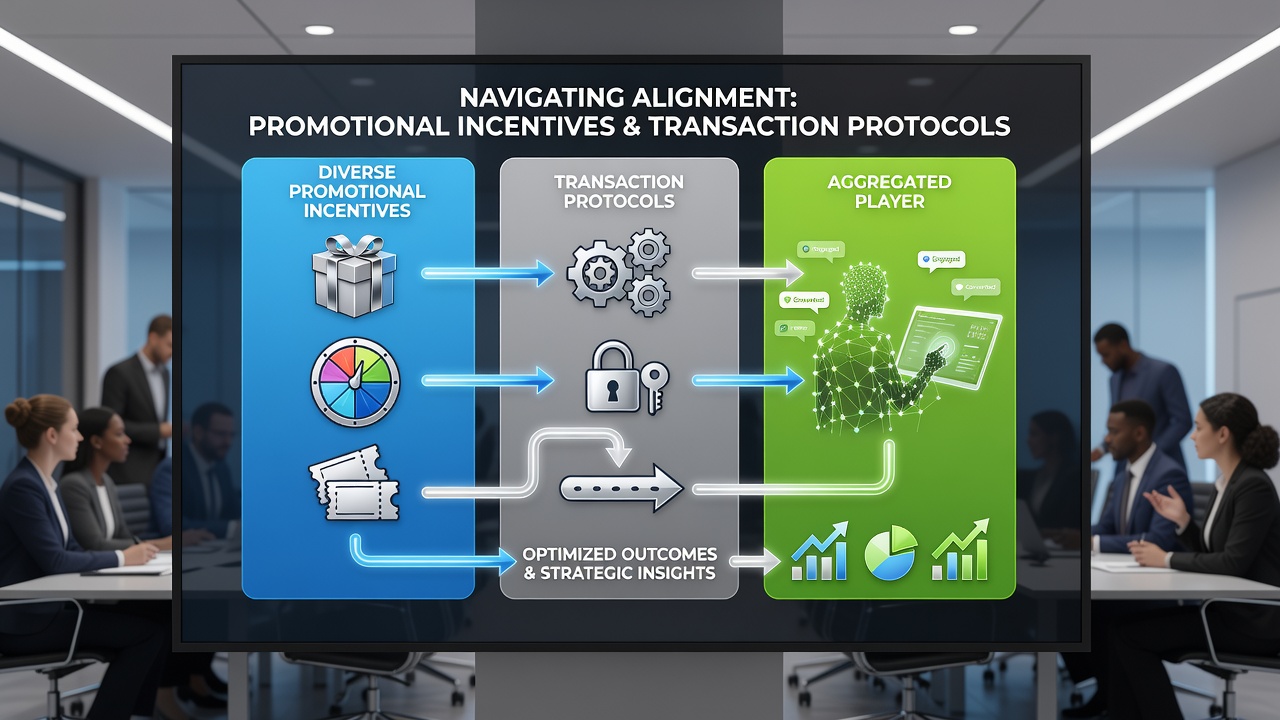
Operators in verified gaming venues manage promotional incentives through structured frameworks that connect directly to transaction protocols while drawing on aggregated player insights for calibration. These systems operate under licensing requirements that emphasize compliance, data security, and transparent financial flows across multiple jurisdictions.
Core Elements of Promotional Incentive Design
Promotional incentives encompass deposit matches, free play credits, loyalty tiers, and cashback structures that appear across both land-based and digital platforms. Research from industry associations indicates that these offers rely on segmented player data to determine eligibility, value, and expiration conditions. Venues collect aggregated metrics such as session frequency, average wager size, and game preference to refine offer distribution without exposing individual records.
Transaction protocols establish the operational backbone for incentive redemption. Payment gateways must validate deposit sources, apply bonus funds according to predefined multipliers, and enforce wagering requirements before any withdrawal processing occurs. Systems integrate these steps through automated checks that flag inconsistencies in real time, reducing manual intervention across high-volume operations.
Integration Points Between Incentives and Payment Systems
Alignment occurs at several technical layers. Bonus codes trigger specific ledger entries that separate promotional balances from cash balances within player accounts. Withdrawal queues then apply sequential filters that account for both cleared funds and any remaining playthrough obligations. Data from European regulatory filings shows that venues maintaining unified protocols report fewer reconciliation errors during audit cycles.
Aggregated player insights feed into predictive models that forecast redemption rates and subsequent deposit behavior. Analysts examine cohort-level patterns rather than single-user actions, allowing operators to adjust incentive parameters ahead of peak activity periods. This approach supports inventory management for bonus pools while maintaining liquidity requirements tied to transaction volumes.
Data Aggregation Practices in Licensed Environments
Verified venues aggregate player insights through anonymized datasets that track metrics including retention curves, bonus utilization percentages, and cross-game migration rates. These datasets interface with transaction logs to reveal correlations between incentive types and payment method preferences. Canadian provincial reports highlight that operators using centralized data platforms achieve tighter synchronization between marketing calendars and settlement cycles.
Security protocols govern how insights move between departments. Encryption standards and access controls limit exposure while permitting marketing teams to receive summarized outputs for campaign planning. Regulatory bodies in multiple Australian states require documented data-handling procedures that demonstrate separation between personal identifiers and aggregate reporting outputs.
Operational Adjustments Observed Through 2026
Industry updates scheduled for release in September 2026 focus on enhanced reporting standards for promotional liability calculations. These standards require venues to demonstrate that transaction protocols can isolate bonus-related obligations within consolidated financial statements. Venues already testing updated interfaces report improved audit trail completeness when combining incentive ledgers with real-time payment confirmations.
Case examples from North American markets illustrate how operators recalibrate free-play offers after reviewing aggregated withdrawal success rates. When data reveals elevated abandonment at certain bonus thresholds, parameters shift toward lower entry barriers paired with adjusted maximum cashout limits. Such modifications occur within existing compliance frameworks rather than through ad-hoc changes.
Cross-Jurisdictional Considerations
Venues operating across borders must reconcile differing definitions of promotional value and transaction finality. The American Gaming Association publishes comparative analyses that map these variations across state lines, helping operators standardize internal controls. Similar resources from academic centers in Australia examine how aggregated datasets support regulatory submissions without compromising commercial confidentiality.
Transaction protocol updates often precede promotional calendar changes. Venues schedule system patches during low-volume windows to avoid disrupting active player sessions, and they validate these patches against historical insight datasets to confirm no unintended effects on redemption patterns emerge.
Conclusion
Verified venues achieve functional alignment when promotional incentives, transaction protocols, and aggregated player insights operate as interconnected components rather than isolated functions. Data from regulatory and industry sources continues to inform refinements that maintain compliance while supporting operational efficiency across evolving market conditions.